
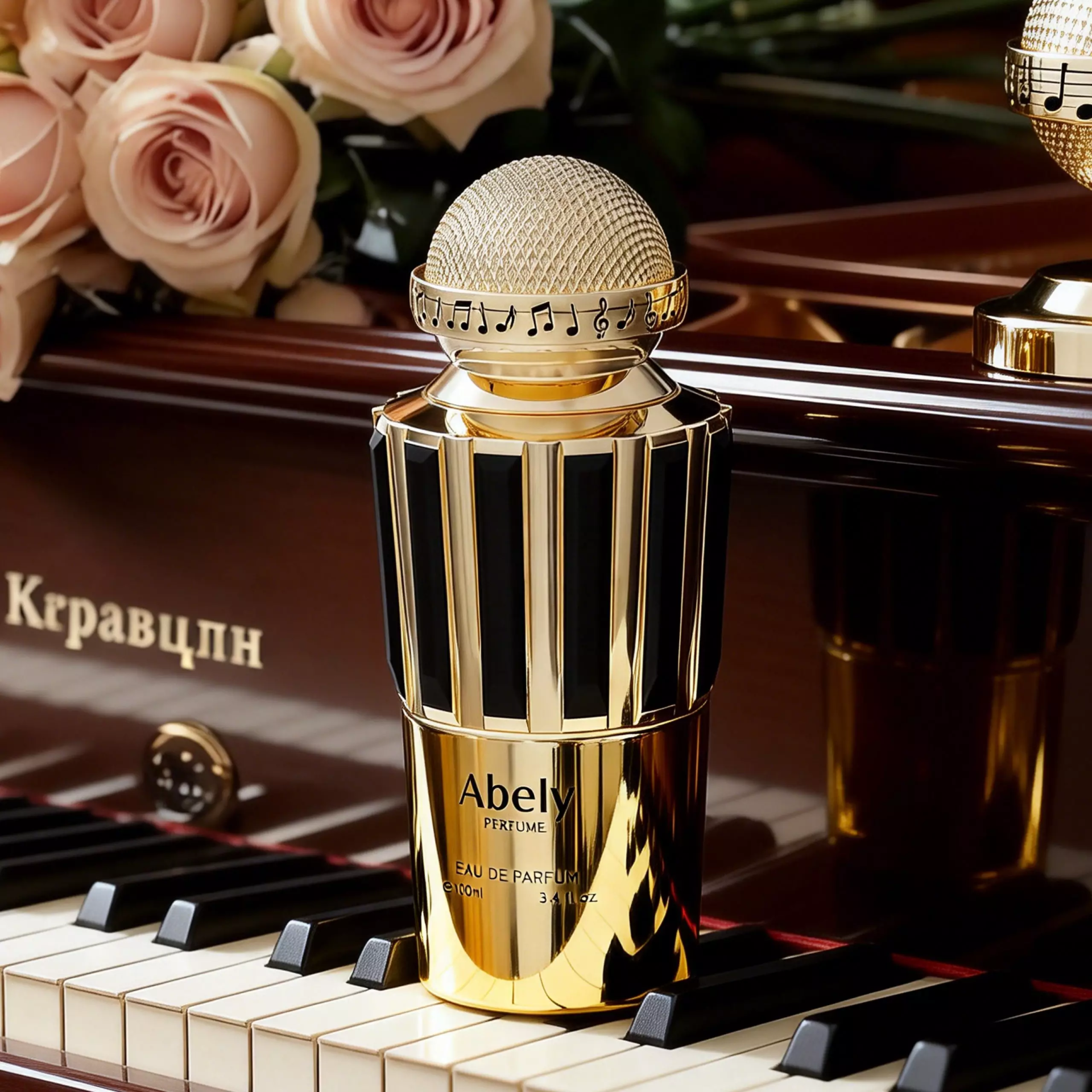
A perfume bottle has to do more than hold fragrance. Its proportions, surface treatment, decoration, and overall silhouette influence how a product is presented before the consumer experiences the scent. For businesses developing new fragrance lines, the design process therefore needs to connect creative ideas with practical production considerations.
Turning Brand Ideas into Bottle Forms
The starting point is usually a clear concept rather than a fixed production model. Different perfume bottle shapes can communicate different visual directions, from simple geometric forms to more distinctive silhouettes. Materials, colors, finishes, and decorative elements can then be considered alongside the intended market and brand positioning.
For a more personalized presentation, an engraved perfume bottle can introduce additional surface detail. Engraving may be used for patterns or other visual elements, giving the packaging a tactile dimension while keeping the bottle itself central to the design.
Using 3D Visualization Before Production
Moving from an idea to a manufacturable bottle requires more than a sketch. 3D modeling and rendering can present possible perfume bottle shapes, styles, colors, and decorations before production begins. This allows brands to review the appearance and make adjustments at an earlier stage.
At this stage, brands can also confirm key dimensions, component proportions, and decoration requirements before the design moves into prototyping and mold development.
A physical 3D prototype can provide another level of evaluation. Reviewing the sample helps teams assess the bottle’s appearance and tactile feel before moving toward mold development. For an engraved perfume bottle, this type of review can also help evaluate how decorative details work with the overall form.
From Approved Design to Shelf-Ready Packaging
Once the design is confirmed, mold development and production become important parts of the process. Bottle dimensions, appearance, and the assembly of components such as the sprayer and cap need to be checked against the approved design. Decoration and quality inspection follow as part of preparing the finished packaging for delivery.
For brands comparing perfume bottle shapes, this structured progression helps connect visual decisions with production feasibility. The same principle applies when developing an engraved perfume bottle, where surface decoration needs to work with the chosen bottle structure.
Turning a Bottle Concept into a Marketable Product
Developing a custom perfume bottle requires coordination between design, engineering, sampling, mold development, decoration, and quality inspection. Abely Perfume works with fragrance brands and contract manufacturers to turn packaging concepts into designs that can be evaluated, refined, and prepared for mass production. This approach helps connect creative ideas with practical manufacturing requirements.
