
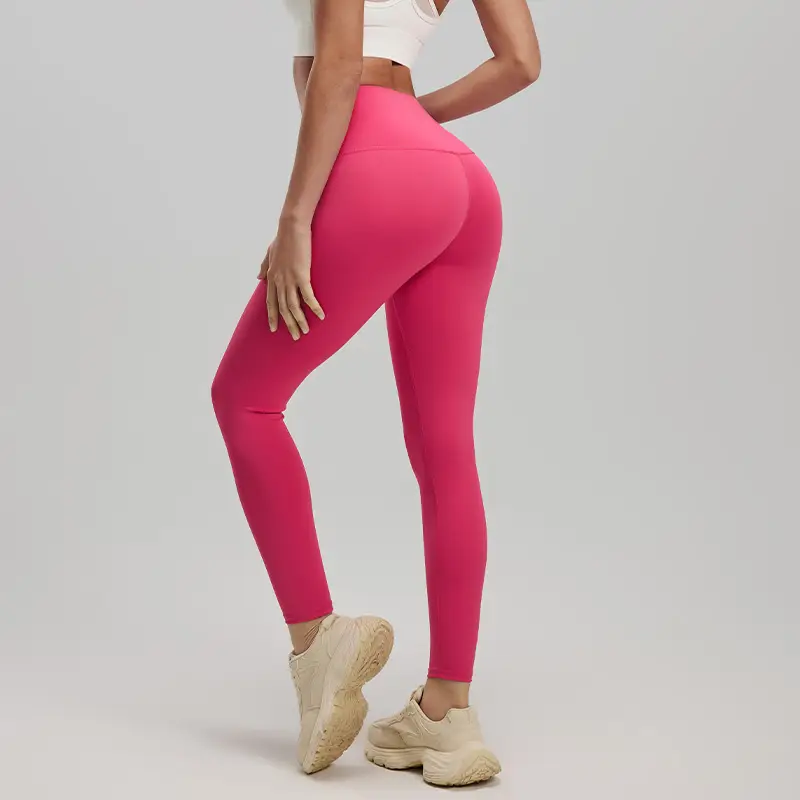
Activewear companies depend on consistent product quality to maintain customer trust and support long-term growth. Custom yoga leggings require careful control across materials, production processes, and finishing details. This article explains how manufacturers improve quality control, reduce production issues, and help brands create reliable yoga apparel collections.
Quality Control Starts With Detailed Product Development
Quality management begins before manufacturing equipment starts operating. Product specifications, fabric requirements, measurements, and construction details influence the final result. Clear planning during development helps manufacturers identify possible concerns before they affect larger production quantities.
For activewear brands, early cooperation with suppliers creates better communication. Teams can review design requirements, discuss technical expectations, and confirm production methods. This preparation supports smoother workflows and reduces misunderstandings during later manufacturing stages.
Yoga apparel requires precise attention because customers expect comfort, flexibility, and durability. Manufacturers evaluate fabric behavior, stitching methods, and garment structures to ensure products perform during different activities and repeated use.
Joebond provides integrated apparel manufacturing support, and they coordinate resources across materials, production, and visual services. Their supply capabilities help businesses manage product development through organized processes that connect multiple stages of apparel creation.
Material Selection Improves Product Consistency
Fabric quality has a direct influence on yoga leggings performance. Materials need to provide suitable stretch, softness, recovery, and comfort. Manufacturers help brands review fabric options and confirm whether selected materials match the intended product purpose.
Inconsistent materials can create challenges during production. Differences in texture, color, or performance may affect customer experiences. Professional suppliers use structured material management practices to help maintain stable results throughout manufacturing cycles.
A yoga leggings manufacturer supports brands by evaluating technical factors before bulk production. They assist with fabric assessment, sample reviews, and production preparation. This cooperation helps companies identify potential issues before production begins.
Material control also supports brand reputation. When customers receive products with consistent quality, businesses can build stronger relationships and encourage repeat purchases. Reliable materials become an important foundation for successful activewear collections.
How Custom Yoga Leggings Improve Manufacturing Accuracy
Customization requires careful coordination because brands often have specific requirements for fit, appearance, and functionality. Custom yoga leggings allow companies to develop products with personalized designs, fabrics, colors, and construction features.
Manufacturers help translate creative concepts into practical production plans. They review patterns, technical specifications, and garment structures to ensure designs can be produced efficiently while maintaining quality expectations.
Sample development is a valuable quality control stage. Brands can evaluate fit, fabric feel, stitching details, and overall appearance before confirming larger orders. Feedback during this stage helps manufacturers make necessary adjustments.
From yoga wear and fitness wear to sportswear and related apparel lines—Joebond supports global businesses with OEM and ODM manufacturing across these categories. Their production know-how helps companies meet customized requirements, all while adhering to organized, repeatable quality procedures.
Production Monitoring Reduces Manufacturing Risks
Quality control continues throughout the manufacturing process. Regular checks during cutting, sewing, and finishing stages help identify issues before completed products move into final packaging.
Manufacturers monitor important details such as measurements, seam strength, fabric alignment, and appearance. These inspections support more consistent output and reduce the possibility of receiving products that fail to meet expectations.
A professional yoga leggings manufacturer uses production knowledge to manage technical challenges. Their teams understand how different processes influence garment results and provide support when adjustments are required during manufacturing.
Production monitoring also improves communication between brands and suppliers. Clear updates about progress, quality checks, and potential concerns allow businesses to make timely decisions and maintain better control over their apparel programs.
Supply Chain Integration Supports Stable Quality Management
Apparel quality depends on coordination between multiple production stages. Raw materials, fabric processing, garment manufacturing, and finishing all contribute to final product performance. Gaps between these stages may create avoidable quality concerns.
An integrated supply chain provides better control because different processes can be managed through connected systems. This approach helps manufacturers maintain communication and improve consistency across production activities.
From raw material sourcing and yarn production to dyeing, garment manufacturing, sales, and visual support—Joebond’s connected apparel supply services bring these stages together under one integrated structure, helping businesses coordinate production more effectively.
For retailers and private label brands, stable supply chain management creates operational confidence. Companies can plan collections, manage inventory, and maintain product standards when manufacturing processes are organized and transparent.
Technology And Expertise Strengthen Quality Assurance
Modern apparel production combines technical knowledge with practical manufacturing experience. Manufacturers use production expertise to review garment details, improve workflows, and maintain quality standards throughout different projects.
Quality assurance depends on both systems and people. Experienced teams understand common production challenges and can provide solutions related to materials, construction, and finishing requirements.
A yoga leggings manufacturer contributes valuable knowledge during product development and manufacturing. Their experience helps brands create products that meet customer expectations while reducing avoidable production problems.
Long-term cooperation allows experienced production partner and brands to improve together. Feedback from previous projects can guide future improvements in design, production planning, and quality management methods.
Conclusion: Strong Quality Control Builds Better Activewear Programs
Effective quality control requires careful planning, reliable materials, skilled manufacturing, and coordinated supply management. With custom yoga leggings and yoga leggings manufacturer support, brands can create dependable products while improving production confidence. Joebond works with apparel businesses, and they provide integrated manufacturing solutions for companies developing customized activewear collections.
