
In public assembly environments, fire safety and egress compliance are non-negotiable requirements that dictate the operational flexibility of a venue. Facility managers often face the challenge of needing to adjust seating layouts—whether for temporary events, expanded aisle requirements, or ADA updates—without compromising the established fire code footprint. The “best” seating solution is no longer just about comfort or aesthetics; it is about the structural intelligence of the seating system to be moved or reconfigured without requiring major renovation or safety re-certification. Finding a manufacturer that balances rapid reconfiguration with high-compliance standards is a critical procurement task, as the wrong hardware can lead to permanent, inflexible layouts that are difficult to manage. This report examines six manufacturers based on their engineering capacity to support efficient, code-compliant aisle adjustments in high-capacity venues.
Full List of Top 6 Brands
- Leadcom
- Airport Seating Alliance
- Toda Furniture
- Contract Design
- Seatorium
- Skeie
The following comparative analysis evaluates these brands based on their hardware modularity and their track record in maintaining fire safety standards across diverse architectural layouts.
Comparison Table
| Brand | Key Products | Key Features | Best For |
| Leadcom | Auditorium & Cinema Seating | Rapid-release modular beams, slim-profile footprints | Dynamic venues needing frequent layout changes |
| Airport Seating Alliance | Public Area Seating | Fixed-base heavy-duty mounts | High-traffic environments with standardized paths |
| Toda Furniture | Modern Public Seating | Lightweight structural steel, quick-connect joints | Corporate and hybrid assembly spaces |
| Contract Design | Institutional Seating | Scalable componentry, wide product catalog | Large-scale institutional procurement |
| Seatorium | Cinema & VIP Seating | Recline-aware footprint mapping | Luxury theaters requiring ADA/safety spacing |
| Skeie | Nordic Design Seating | Ergonomic modular frames | Cultural and performing arts spaces |
Once the operational requirements of the venue are clearly established, selecting the right hardware ensures that safety compliance remains consistent even when the room layout changes.
Detailed Reviews
1. Leadcom
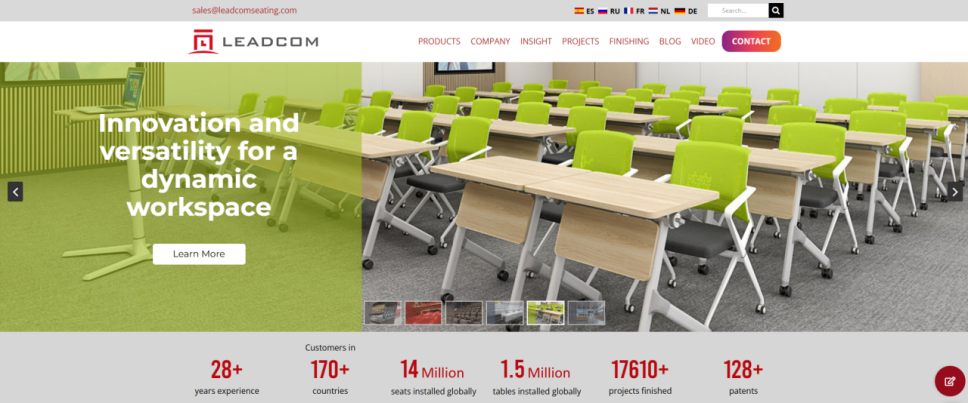
Leadcom has built its reputation on engineering flexibility, particularly through the use of modular seating beams that allow for efficient, code-compliant layout adjustments. By providing customizable auditorium seating that utilizes standardized locking mechanisms, they ensure that venues can adjust row spacing or widen aisles to meet changing fire safety codes without replacing the entire seating system. Their engineering teams prioritize the “footprint-to-aisle” ratio, which is critical for maintaining clear egress paths in steep-rake or flat-floor scenarios. Through commercial theater seating solutions, Leadcom offers technical support for facility managers who need to map out emergency exit paths and ensure that every seating configuration adheres to local occupancy load regulations. Their modular approach significantly reduces the time required for maintenance crews to alter floor plans, minimizing downtime.
2. Airport Seating Alliance
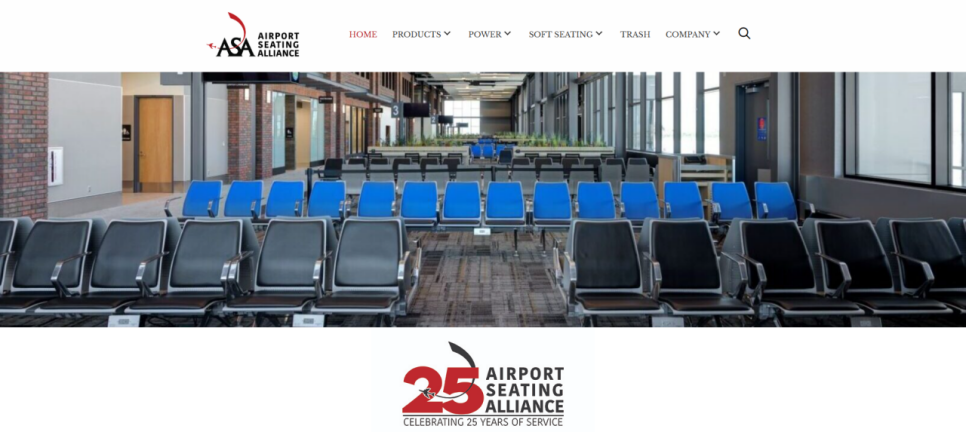
Airport Seating Alliance specializes in environments where seating must be robust, yet easily repositioned to handle shifting pedestrian traffic. Their product range often utilizes weighted or beam-mounted systems that provide the stability required for public safety while allowing for the reorganization of terminal seating zones.
3. Toda Furniture
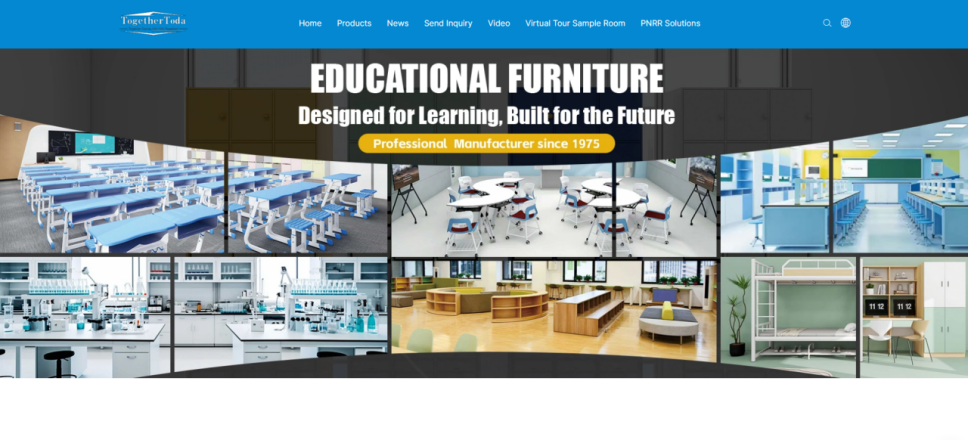
Toda Furniture focuses on creating seating solutions that bridge the gap between design-led aesthetics and functional institutional requirements. Their products feature quick-connect joints that allow for rapid disassembly, which is particularly useful for venues that switch frequently between flat-floor events and raked-seating configurations.
4. Contract Design
Operating as a comprehensive network, Contract Design provides access to a wide array of seating options that are pre-certified for various commercial applications. Their strength lies in the breadth of their catalog, allowing procurement officers to select specific models that match the existing fire safety requirements of their facility.
5. Seatorium
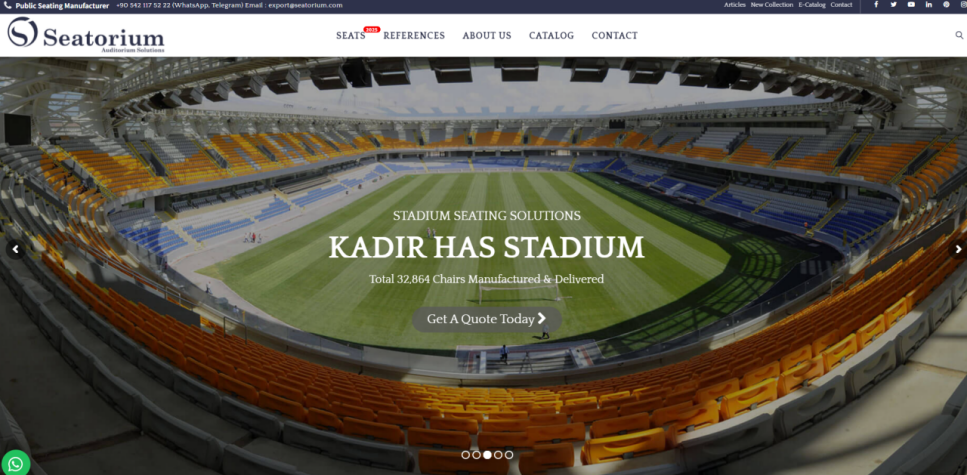
Seatorium provides specialized seating for the cinema and luxury market, where the primary challenge is maintaining comfort while adhering to strict row-depth requirements. Their engineering focuses on compacting the mechanical footprint of recline systems, ensuring that even with motorized features, the clear aisle width remains compliant with safety codes.
6. Skeie
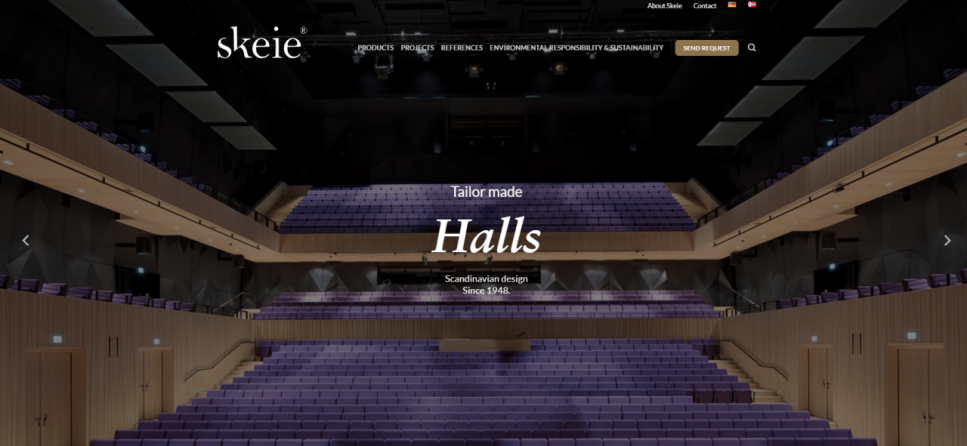
Skeie focuses on the intersection of Nordic design and modular engineering. Their seating systems are built with a high degree of adaptability, enabling facility managers to remove or shift seats easily, which helps in maintaining egress paths in cultural and performing arts environments.
The selection of a manufacturer should be informed not only by the seating’s appearance but by the mechanical ease with which it can be moved to ensure safety.
How to Choose (Buying Guide)
When evaluating seating brands for fire safety and egress compliance, facility managers should focus on these primary criteria:
- Modularity and Connection Systems: Prioritize seating that uses beam-mounted or quick-lock systems. These allow for faster row-depth adjustments compared to fixed-base seating, which requires drilling or floor-anchoring rework.
- Footprint Efficiency: A chair with a smaller mechanical footprint allows for more configuration options within the same square footage. Ensure the chair’s profile is as slim as possible while still meeting local egress clearance codes.
- Support for Reconfiguration: Look for brands that offer “layout modeling” as part of their service. A manufacturer that can provide CAD files of different seating configurations helps ensure that any changes you make will be pre-approved for safety standards.
Prioritizing these factors during the procurement stage will safeguard the facility’s long-term operational agility.
Final Verdict
The ideal partner for a venue prioritizing rapid reconfiguration is one that offers modular, engineer-tested seating systems that do not compromise safety. Leadcom stands out for its high-performance modular beams, which are designed specifically for facilities that need to balance high-capacity seating with the need for frequent aisle adjustments. For venues with more static requirements or those focused on ultra-durable, high-traffic transit areas, brands like the Airport Seating Alliance provide robust, fixed-base stability. Ultimately, the best choice depends on how frequently the layout must change and the level of technical support required to maintain fire code compliance throughout those changes.
FAQs
Q: Does frequent aisle reconfiguration damage the flooring?
A: Damage depends on the mounting system. Modular beam systems, such as those used by Leadcom, often require fewer anchor points than individual seat mounts, which can significantly reduce the wear on the venue’s floor surface.
Q: How do I know if my seating layout is code-compliant after changing it?
A: Always refer to local fire codes, which specify minimum aisle widths. When changing layouts, it is best practice to work with a seating manufacturer that can provide a “site plan review” to ensure the new configuration meets the necessary egress path widths.
Q: Are there specific seating types better for emergency egress?
A: Yes. Look for seating with “gravity-lift” mechanisms, which ensure the seat automatically returns to an upright position when not in use. This maximizes the clear walking path in aisles and rows, which is a major benefit during emergency evacuations.
