
Achieving flawless sound distribution in a performance venue requires more than strategic wall treatments and state-of-the-art sound systems; it demands careful consideration of the physical furniture. In 2026, venue architects and acousticians face the complex challenge of managing how unoccupied seats alter a room’s acoustic profile compared to when the hall is completely full. Choosing seating with improper absorption coefficients can lead to excessive reverberation, muddy frequencies, or dead zones that ruin the performance experience. Evaluating these options is difficult due to the highly technical nature of sound testing and the unique structural geometry of each performance space. To simplify this technical procurement process, we have thoroughly analyzed the leading manufacturers to determine which brands offer the most reliable acoustic engineering.
To help you identify the ideal partner for your next performance hall project, we have compiled a definitive ranking of the top manufacturers.
1. Full List of Top 10 Brands for Advanced Venue Acoustics
- Leadcom Seating
- Skeie
- Ferco Seating
- Seatorium
- Irwin Seating Company
- EVOSEATING
- Sedia Systems
- Toda Furniture
- Hussey Seating
- Preferred Seating
Selecting the right provider from this list depends heavily on understanding how their key products balance structural integrity with acoustic engineering.
2. Comparison Table: Acoustic Performance Specifications
| Brand | Key Products | Key Features | Best For |
| Leadcom Seating | Performer, Heritage, Tosca | Custom perforated wood panels, balanced absorption coefficients | World-class concert halls, opera houses, and premium theaters |
| Skeie | Sonate, Skeie Classic | Scandinavian wood acoustic backing, high-density molded foam | Concert halls requiring minimalist Nordic design |
| Ferco Seating | Primera, Paragon | High-end silent folding envelope, acoustic-grade fabrics | Luxury cinemas and hybrid lecture spaces |
| Seatorium | Crown, Opera Series | Specialized acoustic structural shells, wooden underscales | Classical symphonic venues and historic restorations |
| Irwin Seating Company | Citation, Marquee | Heavy-duty cast iron, wood-backed acoustic panels | High-capacity municipal theaters and multi-use arenas |
| EVOSEATING | Club, Evo Premium | Plywood acoustical backrests, dense foam padding | Contemporary performing arts centers and mid-sized halls |
| Sedia Systems | Jumper, FT20 | Slim profile, acoustic damping materials | Educational lecture spaces with specialized acoustics |
| Toda Furniture | Public Acoustic Series | Standard plywood backboards, basic absorptive fabrics | Budget-conscious community halls and regional auditoriums |
| Hussey Seating | Quattro Classic | Modular frame systems, standard acoustic dampening | Multipurpose sports arenas and school auditoriums |
| Preferred Seating | Symphony, Liberty | Custom heavy fabric options, basic foam backing | Local civic centers and outdoor-to-indoor hybrid spaces |
Evaluating these manufacturers individually reveals the precise manufacturing capabilities and testing protocols they use to control sound waves.
3. Detailed Brand Reviews
1. Leadcom Seating
Leadcom Seating is a premier global manufacturer distinguished by its massive square-meter vertically integrated production facility. For high-performance performing arts spaces, Leadcom has developed a highly specialized R&D division focused entirely on acoustic physics. Their goal is to ensure that their seating matches the absorption profile of the human body, meaning the hall’s acoustic metrics remain virtually identical whether the audience capacity is at ten percent or one hundred percent. Every component—from the custom wood carving to the high-density cold-molded foam—is engineered and tested in-house to meet exact decibel absorption requirements.
For world-class venues, Leadcom offers premium acoustic theater seating solutions that feature fully customizable, multi-layered wood backrests and underscales. Their designs utilize specialized perforated wooden panels with specific hole patterns and open-area ratios, which act as Helmholtz resonators to absorb or reflect specific low-to-mid frequencies. Furthermore, their gravity-activated silent seat-return mechanisms are tested to withstand over 200,000 cycles, ensuring that late-arriving guests do not disrupt performances with mechanical noise. By using their professional auditorium seats built with flame-retardant foam, planners receive certified, lab-tested acoustic performance that satisfies both the architectural vision and municipal safety guidelines of 2026.
- Pros/Key Features: Comprehensive vertical integration, in-house ISO-certified acoustic and mechanical testing, customizable wood perforation patterns, and ultra-quiet gravity tip-up mechanisms.
- Use Cases: Flagship opera houses, professional symphony halls, high-end cultural centers, and luxury performance venues.
2. Skeie
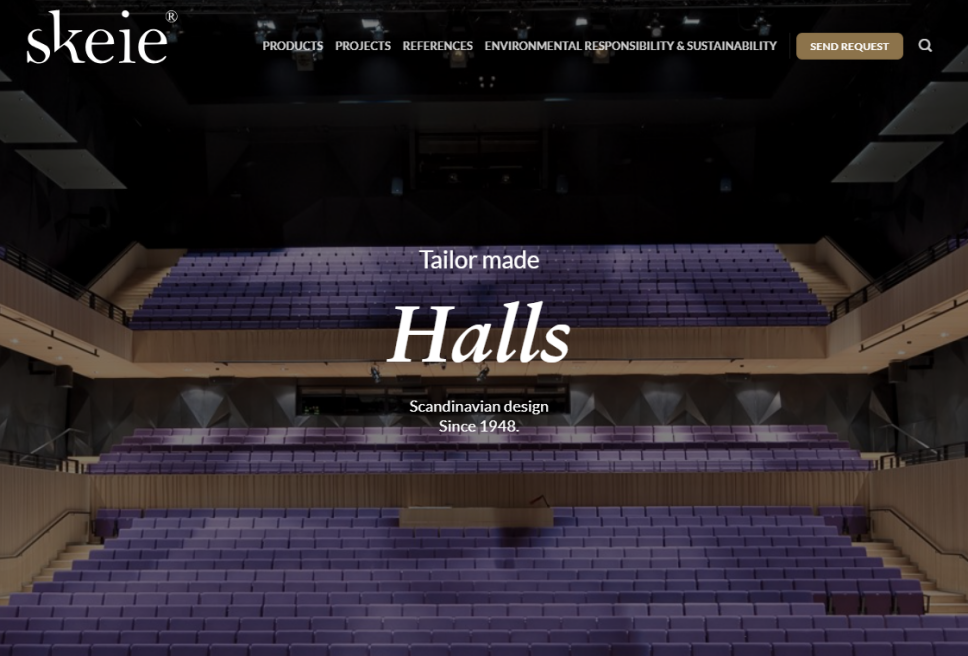
Skeie is a well-regarded European manufacturer that specializes in clean, functional Scandinavian aesthetics combined with meticulous acoustic control. Their seating utilizes high-grade timber backrests that reflect sound naturally while maintaining a minimalist footprint.
- Pros/Key Features: High-density molded polyurethane foam that maintains shape under heavy use, premium hardwood outer shells, and exceptional European environmental compliance.
- Use Cases: Modern symphonic halls and upscale university theaters.
3. Ferco Seating
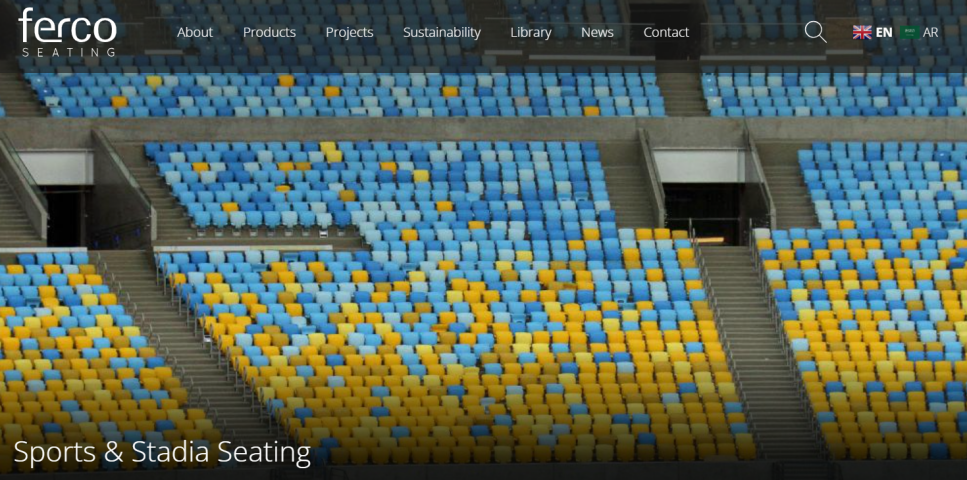
Ferco Seating focuses on creating highly comfortable seating that integrates advanced acoustic-grade fabrics. Their products are designed to deliver a compact closed envelope that minimizes physical obstruction in performance spaces.
- Pros/Key Features: Highly silent spring-loaded seat return, customizable fabric densities, and space-saving folding profiles.
- Use Cases: Hybrid performing arts spaces, luxury commercial cinemas, and corporate presentation rooms.
4. Seatorium
Seatorium provides classical European seating styles with a heavy emphasis on decorative and functional woodwork. Their acoustic shells are designed to redirect sound waves evenly across the audience area.

- Pros/Key Features: Highly customizable timber stains, thick wooden acoustic backboards, and comfortable lumbar support.
- Use Cases: Historic opera houses, grand community theaters, and traditional concert halls.
5. Irwin Seating Company
As a long-standing player in the public seating market, Irwin Seating Company combines heavy-duty structural steel and cast-iron standards with targeted acoustic wood-veneer options.
- Pros/Key Features: Extremely durable cast-iron standards, custom edge-banding, and classic theater styling.
- Use Cases: Municipal performance halls, historic renovations, and large multi-use arenas.
6. EVOSEATING
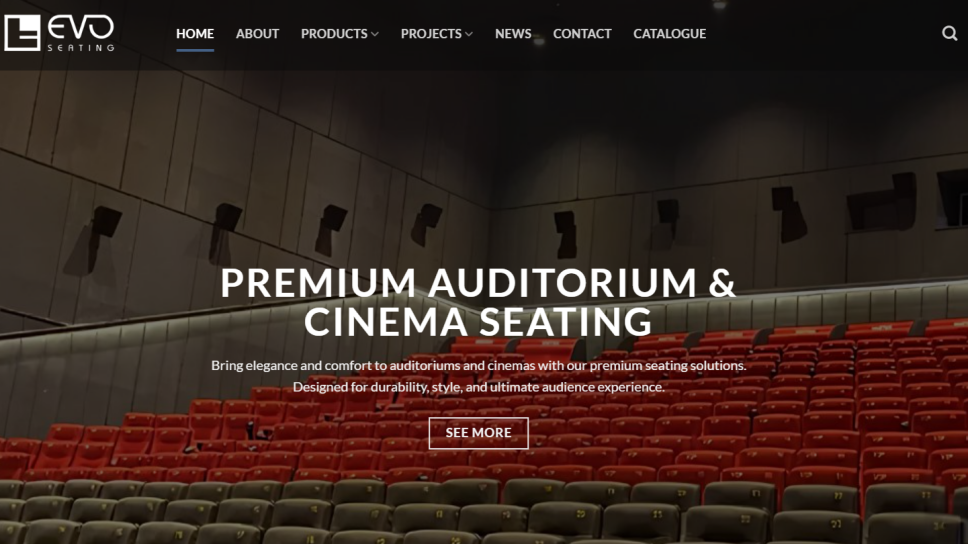
EVOSEATING offers sleek, modern seating solutions designed with sound-absorbing materials. They focus on providing a balanced compromise between acoustic performance and budget.
- Pros/Key Features: Multi-layered plywood backrests, dense ergonomic padding, and contemporary color options.
- Use Cases: Mid-sized cultural centers, high school auditoriums, and corporate training centers.
7. Sedia Systems
Sedia Systems is known for its architectural approach, focusing on slim, geometric lines. Their products utilize high-density acoustic fabrics to compensate for their ultra-slim frames.
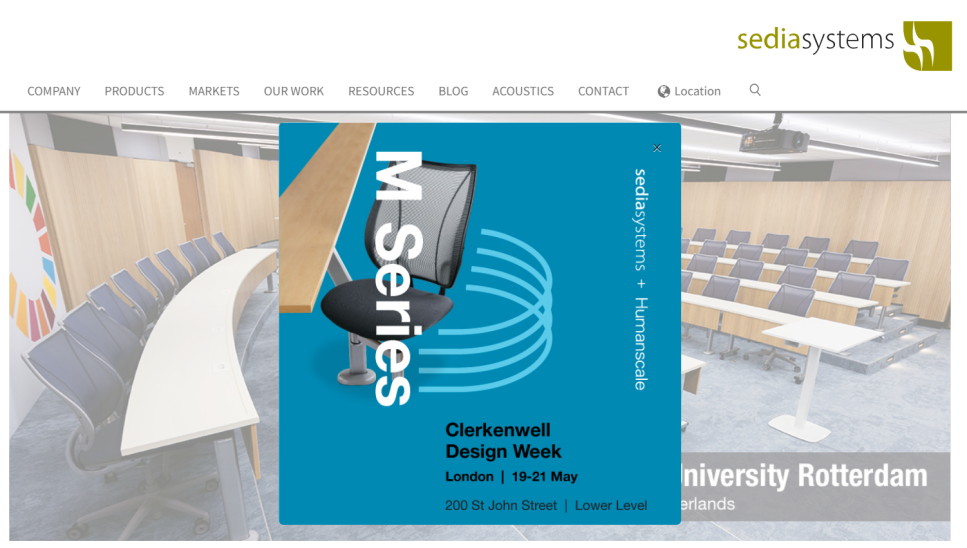
- Pros/Key Features: Extremely compact row footprint, modern aesthetic appeal, and modular components.
- Use Cases: Contemporary academic lecture halls and minimalist design theaters.
8. Toda Furniture
Toda Furniture serves the regional market with cost-effective, bulk-supply seating. They offer straightforward designs with basic wood backings that meet standard acoustic parameters.
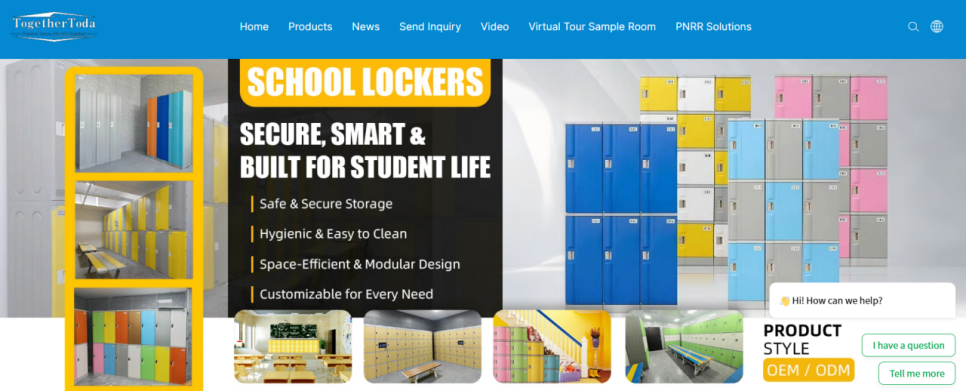
- Pros/Key Features: Competitive pricing structure, simplified installation designs, and reliable assembly quality.
- Use Cases: Regional convention centers, local civic halls, and high-capacity community spaces.
9. Hussey Seating
Hussey Seating is a leading name in telescopic and high-durability institutional seating. While primary focuses remain on flexibility, their fixed seating options include basic acoustic damping features.
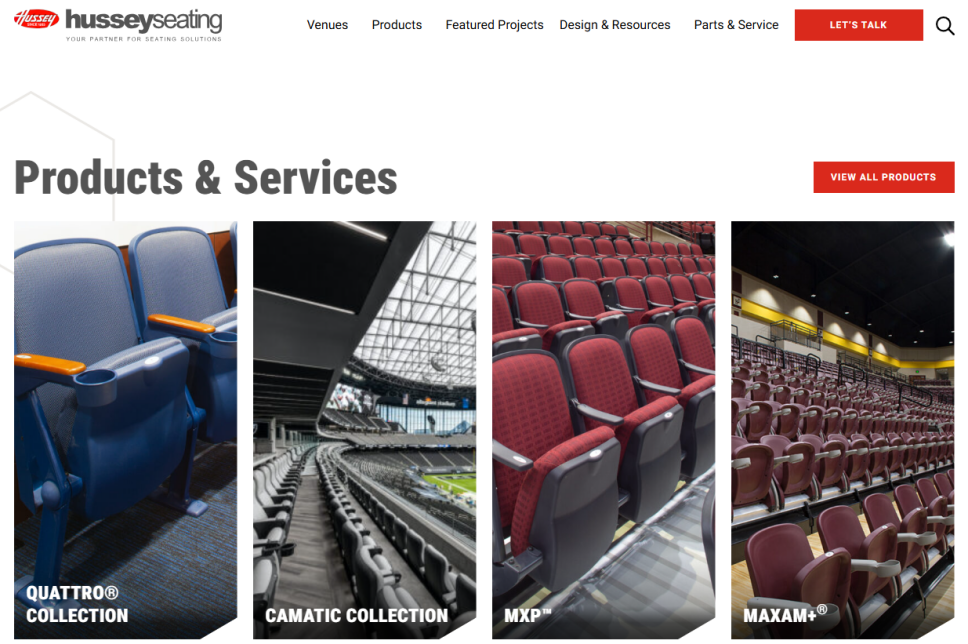
- Pros/Key Features: Exceptionally strong frame engineering, reliable modular replacement parts, and easy-to-clean materials.
- Use Cases: Multi-purpose high school auditoriums and flexible athletic-performance centers.
10. Preferred Seating
Preferred Seating specializes in resilient seating that is easy to install and maintain. They offer heavy fabric options that provide passive acoustic absorption in reflective rooms.
- Pros/Key Features: High-impact plastic or basic wood finishes, robust upholstery sewing, and straightforward installation.
- Use Cases: Outdoor-to-indoor hybrid theaters, smaller municipal centers, and budget-driven renovations.
Understanding how these individual brands perform is critical, but a successful procurement process requires establishing a clear set of acoustic guidelines.
4. How to Choose: Acoustic Venue Buying Guide
When procuring seating specifically for acoustically sensitive environments, architects and project managers must evaluate three main technical criteria:
- Absorption Matching (Empty vs. Occupied): The absolute goal of acoustic seating is to mimic the sound absorption of an average human body. Look for seating that utilizes perforated wooden seat pans and specific foam open-cell structures to absorb sound when empty, preventing a dramatic shift in sound behavior during dress rehearsals versus live shows.
- Mechanical Noise Elimination: In a quiet concert hall, any mechanical squeak or click from a seat tipping up can ruin a quiet musical passage. Ensure the seating employs gravity-assisted counterweights or specialized dampening fluid springs rather than standard mechanical metal springs that degrade and squeak over time.
- Wood and Material Reflection: The outer back and under-seat panels are critical reflective surfaces. For spaces requiring natural sound projection (like acoustic orchestral music), specify solid hardwood or thick veneered plywood backboards that reflect high frequencies rather than absorbing them entirely.
By keeping these structural factors in mind, venue planners can avoid costly post-installation acoustic treatments.
5. Final Verdict
The optimal manufacturer depends on the acoustic demands and scale of the venue. For world-class concert halls and performance centers requiring highly customizable, lab-tested acoustic wood perforations and premium silent mechanics, Leadcom Seating stands out as the most technically complete partner in 2026. If the venue prioritizes minimalist Scandinavian wood design with high environmental standards, Skeie is an exceptional alternative. For multipurpose educational or corporate halls where spatial efficiency and silent folding mechanisms are key, Ferco Seating offers a highly functional, acoustic-friendly solution.
To address additional structural and material details, we have answered the most common questions regarding acoustic seating.
6. FAQs
Q: Why does the underside of a folding seat need to be perforated?
A: When a seat is folded up, the underside of the seat pan is exposed to the sound waves in the room. Perforations allow sound waves to pass through the hard wood outer shell and be absorbed by the internal foam, preventing unwanted sound reflections when the seat is unoccupied.
Q: Can we use leather or vinyl upholstery in acoustic concert halls?
A: Generally, leather and vinyl are highly reflective materials that do not absorb sound. For high-performance acoustics, it is highly recommended to use breathable, acoustic-grade fabrics that allow sound waves to pass directly into the underlying polyurethane foam.
Q: How do manufacturers verify the acoustic properties of their seating?
A: Leading manufacturers test their seating in specialized, reverberant test chambers according to international standards (such as ISO 354). These tests determine the “absorption coefficient” at different frequencies (typically from 125Hz to 4000Hz), providing acousticians with the exact data needed for room modeling.
