
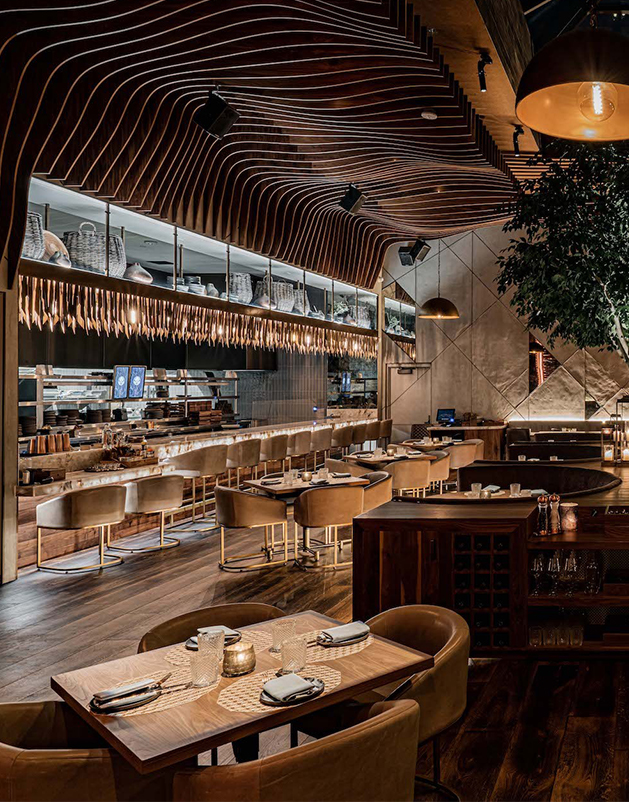
The atmosphere of a restaurant is shaped by more than its menu, lighting, or interior palette. Seating comfort, material quality, construction details, and practical performance all influence how guests experience a dining space. High end restaurant furniture brings these elements together, supporting the restaurant’s visual identity while meeting the demands of daily service. BFP Furniture works within this balance, where appearance and long-term usability must be considered together.
Material Quality and Surface Performance
Material selection affects how furniture looks, feels, and ages. Solid wood, metal, upholstery, and engineered panels each offer different advantages, but their suitability depends on the restaurant environment. A busy dining room may require surfaces that resist frequent cleaning, while a private dining area may place greater emphasis on texture and visual refinement.
Surface performance deserves particular attention in restaurants where spills, food stains, and repeated contact are unavoidable. Spill-resistant and scratch-resistant finishes can reduce visible wear, although their effectiveness depends on the material and treatment used. Staff should also be able to clean surfaces without relying on harsh chemicals that may damage the finish.
Structural Strength and Joinery
A chair may appear sturdy in a showroom but behave differently after months of continuous use. Frame construction, joint design, fasteners, and weight distribution all affect its stability. Mortise-and-tenon joints, reinforced corners, and properly secured connections can contribute to a more durable structure when manufactured and assembled correctly.
Tables and booths face different mechanical demands from dining chairs. Table bases need to remain stable under everyday contact, while booth frames must support repeated sitting and movement without loosening. Reliable restaurant furniture manufacturers pay attention to these structural differences rather than applying the same construction approach to every furniture category.
Ergonomics and Guest Comfort
Comfort influences how long guests are willing to stay and how they remember a dining experience. Seat height, seat depth, backrest angle, cushioning density, and foot support should work together rather than being evaluated separately. Even attractive furniture can become inconvenient if guests have difficulty sitting down, moving around, or maintaining a comfortable posture.
The intended dining style also affects ergonomic requirements. Quick-service restaurants may prioritize easy movement and efficient turnover, whereas fine-dining venues often benefit from supportive seating suited to longer meals. Testing furniture with people of different body sizes can reveal issues that drawings and measurements alone may overlook.
Proportion and Spatial Compatibility
Furniture dimensions should correspond with the restaurant’s layout and circulation needs. Oversized chairs can make a compact dining room feel crowded, while undersized tables may leave guests with insufficient dining space. Appropriate spacing between tables also helps staff move safely while carrying dishes and clearing used tableware.
Visual proportion matters just as much as physical clearance. The height of a dining table, the scale of its chairs, and the dimensions of nearby lighting or decorative elements contribute to the room’s overall composition. High end restaurant furniture should complement the architecture without making the space feel overloaded or visually fragmented.
Craftsmanship and Finish Consistency
Fine craftsmanship is visible in details that may initially seem minor: aligned edges, smooth corners, even upholstery seams, consistent stain application, and neatly concealed hardware. These features influence both the appearance and everyday handling of furniture. Poor finishing can become more noticeable over time as edges chip, fabric loosens, or surface coatings wear unevenly.
Quality inspection should cover more than the appearance of a finished item. Measurements, joint stability, coating adhesion, upholstery tension, and hardware installation all deserve attention. Experienced restaurant furniture manufacturers typically establish inspection procedures for different production stages, helping identify workmanship issues before furniture reaches the restaurant.
Maintenance and Long-Term Durability
Restaurant furniture operates in an environment where frequent cleaning and repeated use are part of everyday service. Materials should match the maintenance routines available to the restaurant team. For example, porous surfaces may require more careful treatment, while removable upholstery components can make certain cleaning tasks easier.
Durability claims also need to be supported by clear specifications. A five-year frame coverage period, for instance, provides a reference point for assessing structural support, while spill-resistant and scratch-resistant surfaces address common forms of daily wear. Testing under demanding restaurant conditions can offer further insight, but maintenance instructions and warranty terms still need to be reviewed before procurement.
Safety and Regulatory Considerations
Furniture safety involves stability, load capacity, edge treatment, material selection, and fire performance where applicable. Chairs should remain stable during normal use, tables should not tip easily, and exposed corners should not create unnecessary risks. Upholstered furniture may also need to meet fire-safety requirements depending on the project location and applicable regulations.
Documentation is an important part of procurement. Buyers should ask for relevant test reports, material specifications, and compliance information rather than relying on general statements about quality. Restaurant furniture manufacturers familiar with hospitality projects can clarify which standards apply to particular materials and furniture categories, helping buyers assess suitability before production begins.
Furniture Decisions That Support the Dining Experience
Furniture quality is best judged through the relationship between design, construction, comfort, maintenance, and safety. A visually impressive dining room may struggle operationally if its furniture wears quickly or restricts staff movement; practical pieces can also weaken the atmosphere when their proportions and finishes do not suit the interior.
A considered specification gives restaurant owners a clearer basis for evaluating high end restaurant furniture, from material samples to structural details and maintenance requirements. With experience in customized hospitality furniture, BFP Furniture reflects the importance of treating each detail as part of the wider dining environment, where lasting performance and a coherent guest experience carry equal weight.
