
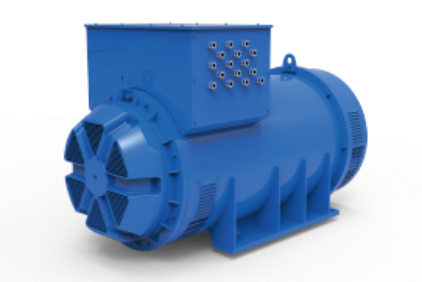
Offshore marine operations demand dependable power generation to keep critical infrastructure functioning. A complete power unit consists of a mechanical diesel engine paired with an electrical alternator. In this highly dynamic environment, managing physical oscillation is critical for operational success. Integrating a specifically engineered boat alternator into the system helps support a resilient electrical architecture meant for industrial applications. Understanding how low vibration affects equipment durability helps engineering contractors specify the right industrial components, contributing to the long-term operation of the complete offshore power plant. Procurement teams may evaluate these factors carefully.
The Impact of Mechanical Alignment on Equipment Durability
Vibration in maritime power plants primarily originates from the heavy rotational force of the mechanical prime mover powering the vessel. If the diesel engine and electrical converter are not properly aligned during the initial shipyard assembly, the resulting physical oscillation can impact the surrounding machinery over extended periods. Continuous shaking can reduce electrical output stability and negatively affect the service life of the complete generator set.
For engineering, procurement, and construction (EPC) contractors building complex maritime vessels, mitigating this physical stress requires careful attention. To achieve lower vibration, the physical integration of these massive components must be addressed accurately. However, ship engine rooms are notoriously cramped, offering minimal installation space for heavy-duty systems.
Selecting a specifically engineered marine alternator featuring a compact structure design helps solve this critical assembly challenge. A streamlined physical footprint reduces the required installation space inside the hull. This structural efficiency can lower overall installation costs. More importantly, it gives facility technicians the crucial spatial clearance needed to achieve proper mechanical alignment with the engine, helping to minimize the persistent physical vibrations that can eventually lead to premature equipment replacement.
Resisting Operational Stress with Premium Raw Materials
Even with proper spatial alignment, maritime vessels constantly battle the dynamic physical forces of the open ocean. The vessel continuously transfers external operational stress from wind and waves into the power generation equipment. To operate within this demanding industrial environment, the internal construction of the alternating current hardware requires highly careful material selection during the manufacturing phase.
Professional industrial manufacturers address this reality by enforcing strict supply chain standards. Relying strictly on premium raw materials helps maintain the core electrical architecture for reliable performance under demanding maritime conditions. High-grade manufacturing inputs are fundamental to supporting long-term operation across critical marine infrastructure projects.
Whether deployed in standard commercial ships or heavy-duty offshore platforms, utilizing premium raw materials helps support long-term reliability for the electrical hardware across various climates. From a facility management perspective, this approach can help reduce unexpected electrical breakdowns. By utilizing equipment built with top-tier material inputs, operators better position their power systems to endure the operational stresses of the ocean. When specifying a boat alternator for these rigorous offshore applications, prioritizing high-level material quality is a primary step toward consistent operational support.
Enhancing Structural Integrity Through Independent R&D
Achieving lasting mechanical stability requires partnering with a dedicated engineering brand that prioritizes continuous structural innovation. Companies focusing their operation strictly on manufacturing the electrical conversion component can dedicate their bandwidth to specific product lines. This industrial approach can yield measurable advancements in how the hardware functions within demanding offshore environments.
This commitment to independent R&D capability provides global generator builders with clear options when constructing maritime power units.The accumulation of over forty national industrial design patents reflects the company’s long-term engineering investment and focus on product development. These patented structural innovations contribute to a wide product range that includes low voltage, high voltage, and specialized customized alternators alongside a dedicated marine alternator series tailored for the sea.
Access to focused engineering allows the alternating current component to support steady operation under varying load conditions. By matching this specialized architecture to the heavy-duty demands of offshore environments, EPC contractors can minimize the guesswork often associated with generic hardware procurement. Relying on focused product development supports the electrical foundation of the maritime vessel, helping to maintain stable power generation despite continuous dynamic movement.
Securing Reliable Offshore Operations with Stable Logistics
Beyond structural engineering and premium material choices, the logistical foundation of shipbuilding plays a role in managing overall operational success. Constructing complex industrial vessels requires adherence to sequential assembly timelines set by project managers. If critical electrical components are delayed, assembly teams might be forced to rush the final integration phase. Rushed installations can complicate mechanical alignment, which introduces unwanted physical vibration into the finished power unit.
Partnering with a supplier that maintains stable production capacity helps maintain the availability of engineered components when construction schedules demand them. Timely delivery of industrial parts contributes to careful, precise installations in the busy shipyard. This predictable logistical flow helps support the proper alignment necessary for generating stable electrical power once the vessel is launched.
The measure of a structurally sound maritime system is its capacity to perform over years of demanding use. A properly integrated boat alternator deployed in these settings benefits from dependable post-installation support. Deploying equipment backed by a standard two-year warranty reflects the manufacturer’s confidence in their raw materials and structural innovation. This 24-month warranty coverage provides industrial builders with valuable support for long-term operation.
Building Resilient Marine Architectures
By prioritizing specialized electrical components, procurement teams support a resilient operational foundation for the demanding offshore industry. Sourcing from a dedicated brand like EvoTec Power provides access to compact structural integration, premium material quality, and independent R&D capability supported by patents. This focused manufacturing approach helps maintain the long-term operation of a marine alternator, contributing to the overall stability and reliability of maritime power generation systems.
