
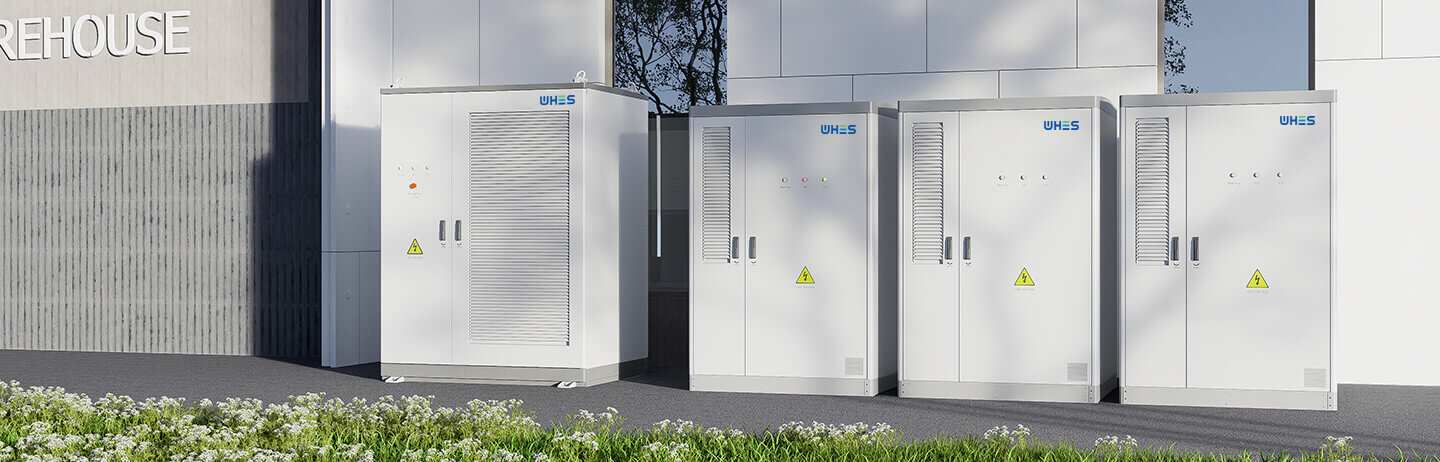
Artificial intelligence is beginning to reshape how energy systems are monitored, controlled, and optimized. Within this shift, energy storage solution providers are integrating AI to improve performance visibility and operational efficiency. WHES reflects this trend by incorporating intelligent management capabilities into its systems, enabling commercial and industrial users to extract more value from a BESS. Instead of relying on manual control or static settings, AI-driven platforms allow energy storage to respond dynamically to real-time conditions.
Smarter Control for Modern BESS Operations
Managing a BESS involves balancing multiple variables, including load demand, electricity pricing, and system health. AI enhances this process by analyzing large volumes of data and automatically adjusting system behavior. As a result, an energy storage solution can optimize charging and discharging cycles without constant human intervention. WHES applies these intelligent controls to help users reduce inefficiencies while maintaining stable and reliable performance across different operating scenarios.
Enhancing Performance and Lifecycle Value
Beyond real-time control, AI also plays a key role in improving the long-term performance of a BESS. Predictive analytics can identify potential issues before they impact operations, reducing downtime and maintenance costs. For businesses deploying an energy storage solution, this translates into more consistent output and better lifecycle returns. WHES integrates advanced monitoring and diagnostic functions into its systems, allowing users to maintain high performance while planning maintenance more effectively.
From Data Insights to Strategic Energy Management
As energy systems become more complex, the ability to turn data into actionable insights is increasingly valuable. A BESS supported by AI can adapt to changing demand patterns, support grid interaction, and align with broader energy strategies. WHES enables this transition by delivering scalable solutions that combine intelligent software with robust hardware design. By leveraging AI within an energy storage solution, businesses can move beyond basic energy storage and toward a more proactive, data-driven approach to energy management.
