
In remote and underserved regions, access to stable electricity remains a persistent challenge. Grid infrastructure may be limited, unreliable, or entirely absent, creating barriers for households and small-scale economic activities. In this context, residential energy storage systems have become an important solution for improving energy access and independence. For stakeholders involved in energy infrastructure deployment and technology provision, understanding how home energy storage systems function in these environments is essential for designing effective and scalable solutions.
Enabling Reliable Off-Grid and Hybrid Energy Supply
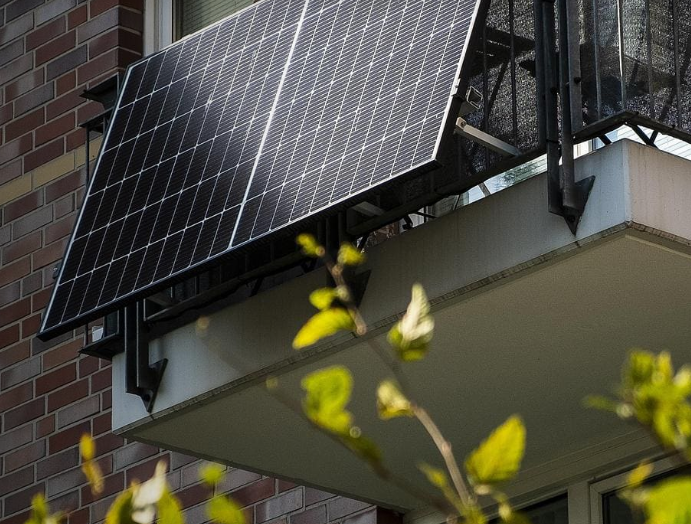
One of the primary advantages of residential energy storage systems in remote areas is their ability to support off-grid or hybrid energy configurations. These systems are typically paired with distributed renewable energy sources such as solar photovoltaic panels. During periods of energy generation, excess electricity is stored and later used when generation is insufficient, such as at night or during adverse weather conditions.
Home energy storage systems therefore provide a consistent and controllable energy supply, reducing reliance on diesel generators or intermittent grid connections. This not only improves energy reliability but also lowers operational costs and environmental impact over time.
In addition, residential energy storage systems enable energy autonomy at the household level. By managing energy generation, storage, and consumption locally, users gain greater control over their electricity usage. For solution providers and system integrators, this creates opportunities to deliver modular and adaptable systems tailored to varying geographic and climatic conditions.
Such systems are particularly valuable in regions where extending centralized grid infrastructure is economically or technically unfeasible.
Enhancing Efficiency, Longevity, and Cost-Effectiveness
Beyond reliability, the performance characteristics of home energy storage systems are critical to their long-term viability. Advanced battery technologies with extended cycle life contribute to lower lifecycle costs, making residential energy storage systems more economically sustainable for remote users.
Efficiency is further enhanced through intelligent energy management, which optimizes charging and discharging cycles based on usage patterns and energy availability. This ensures that stored energy is utilized effectively, minimizing waste and maximizing system value.
Additionally, scalable system configurations allow for incremental capacity expansion as energy demand grows. This flexibility is particularly important for households and small businesses in remote areas, where energy needs may evolve over time. By combining durability, efficiency, and adaptability, modern home energy storage systems support both immediate energy needs and long-term sustainability goals.
Supporting Sustainable and Independent Energy Ecosystems
The deployment of residential energy storage systems represents a practical pathway toward greater energy independence in remote areas. By enabling reliable off-grid operation, improving cost efficiency, and supporting renewable integration, home energy storage systems help establish resilient and self-sufficient energy ecosystems. For organizations involved in energy solution development and deployment, these systems offer a scalable and effective approach to addressing energy access challenges while supporting sustainable development objectives.
