
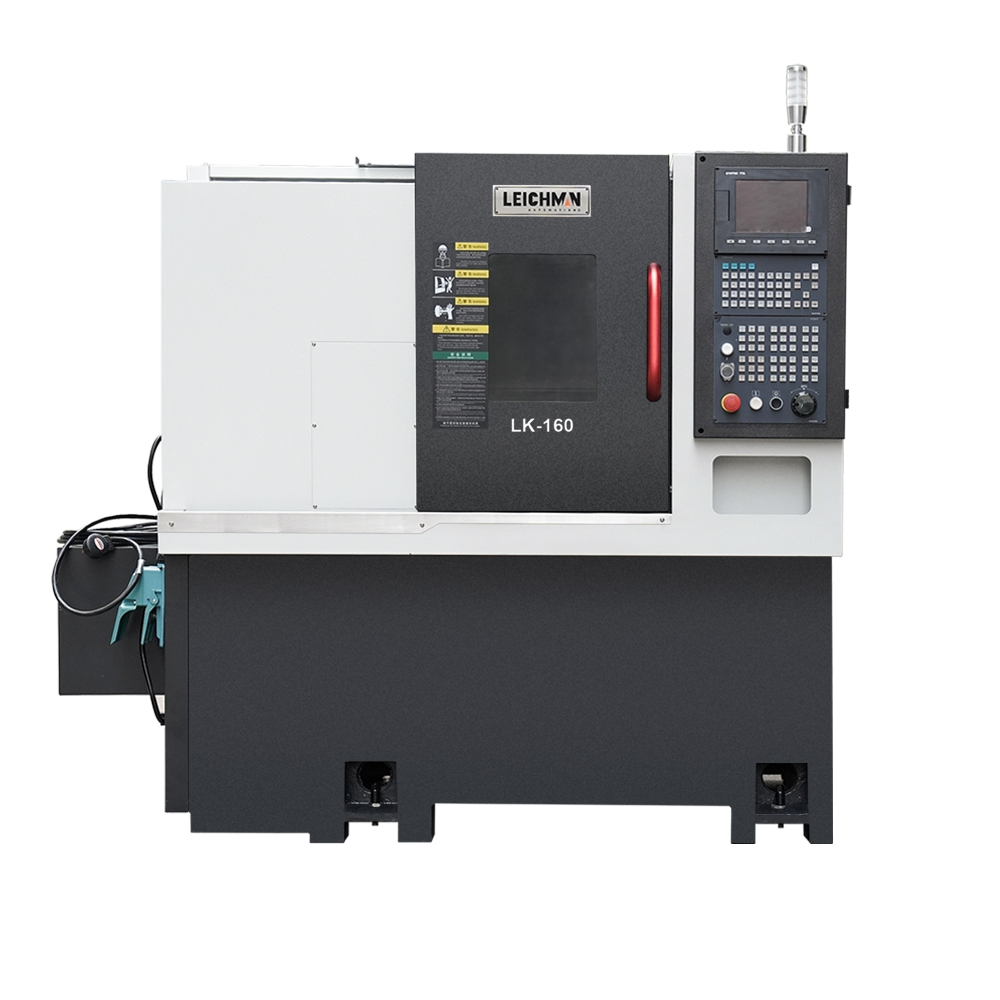
In modern metalworking environments, efficiency in tool switching plays a significant role in production continuity. Systems designed to minimize downtime are increasingly adopted in machining workshops, especially in processes involving CNC turret lathe operations. Within this context, Leichman develops machining solutions that integrate structured tooling systems to support more stable and efficient production workflows.
Tooling Mechanism Structure and Switching Logic
A quick change tooling system is designed with a modular interface that allows cutting tools to be replaced without full machine reconfiguration. In a CNC turret lathe, this structure connects tool holders to a standardized locking interface, enabling operators to remove and install tools through controlled mechanical alignment rather than manual recalibration.
This reduces repeated positioning steps, allowing the turret to maintain consistent indexing accuracy. The system is commonly used in batch production environments where repeated tool switching is required for different machining stages.
Reduction of Non-Cutting Time in Production Cycles
The main functional advantage of a quick change tooling system is the reduction of non-cutting time during production. Instead of stopping the machine for extended adjustments, operators can complete tool replacement in a shorter cycle through preset alignment structures.
In practical CNC machining workflows, this improvement helps maintain continuous operation across different processing tasks such as turning, drilling, and threading. When applied in a CNC turret lathe, the structured turret design supports rapid tool indexing, which contributes to smoother workflow transitions between operations.
Application in Industrial Lathe Configuration
In equipment such as the Leichman LK-160 CNC turret lathe, the tooling system supports stable machining under repeatable production conditions.The machine structure integrates turret-based tool positioning, allowing compatibility with modular tooling setups used in general metal processing tasks.
Within this type of configuration, Leichman provides equipment solutions that support flexible production planning for users in machining workshops, distribution facilities, and industrial component manufacturing environments. The integration of standardized tooling interfaces helps maintain consistent machining accuracy during repeated operations.
Conclusion:Operational Value of Tool Change Efficiency
The principle behind reducing tool change time through a quick change tooling system is based on minimizing manual adjustment steps and improving mechanical alignment efficiency. When applied in a CNC turret lathe, this system supports more continuous machining cycles and reduces interruption between processing stages.
For industrial users, Leichman integrates this approach into their machining equipment design to support structured production workflows and stable operational performance across varied metalworking applications.
