
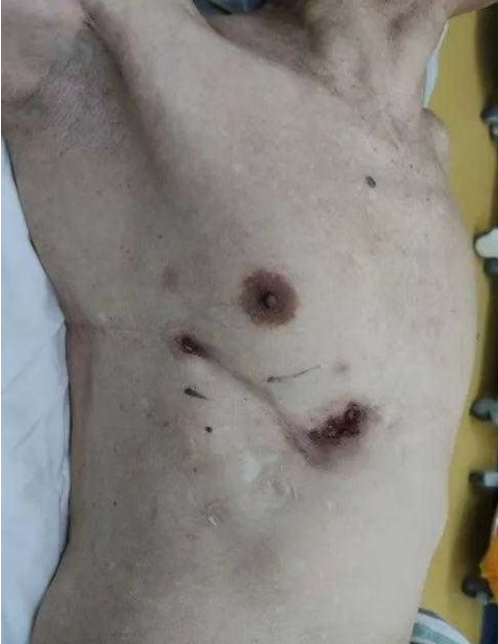
Chest wall infection is when infectious lesions affect different parts of the chest wall, such as the skin, muscles, ribs, and subcutaneous tissues. In severe cases, the infection may further invade intrathoracic tissues and organs, such as the lungs and pericardium. Bacteria or other pathogens are the most common causes of these infections, which can happen anywhere on the chest wall. It’s important to find infections early because they can spread or cause serious problems if they aren’t treated.
What Causes an Infection in the Chest Wall?
There are many factors that can cause infection in the chest wall. Injuries like accidents, stab wounds, or surgery can hurt tissues and let germs in. If strict aseptic principles are not followed during the procedure, or if surgical instruments and materials are not thoroughly disinfected, the risk of infection may be increased. Infections can spread directly from the lungs or thoracic cavity or through the bloodstream in a hidden way. Localized tissue necrosis and an impaired immune system are additional factors, particularly in patients with chronic diseases, immunodeficiencies, or those receiving chemotherapy. These mechanisms together explain how an infection can start in the chest wall.
Signs and Symptoms
Patients may experience pain, swelling, redness, or develop ulcers in the affected area. Fever, fatigue, and muscle soreness are also common systemic signs. To make a diagnosis, doctors do a physical exam, blood tests to look for signs of inflammation, and imaging tests like X-rays, CT scans, MRIs, or ultrasounds. Bacterial cultures and tissue biopsies help find pathogens and figure out the best way to treat them.
Ways to Treat
Antibiotics, nutritional support, and local wound care can often help with mild infections. Severe or long-lasting infections may need surgery to remove infected areas, drain abscesses, clean up dead tissue, and perform chest wall reconstruction. At The Institute of Chest Wall Surgery (ICWS), this involves reconstructing the absent bony structures using autologous bone tissue following the removal of infectious lesions, thereby restoring both chest wall function and structural integrity. Combining a correct diagnosis with prompt treatment is necessary for a successful recovery and to reduce complications.
