
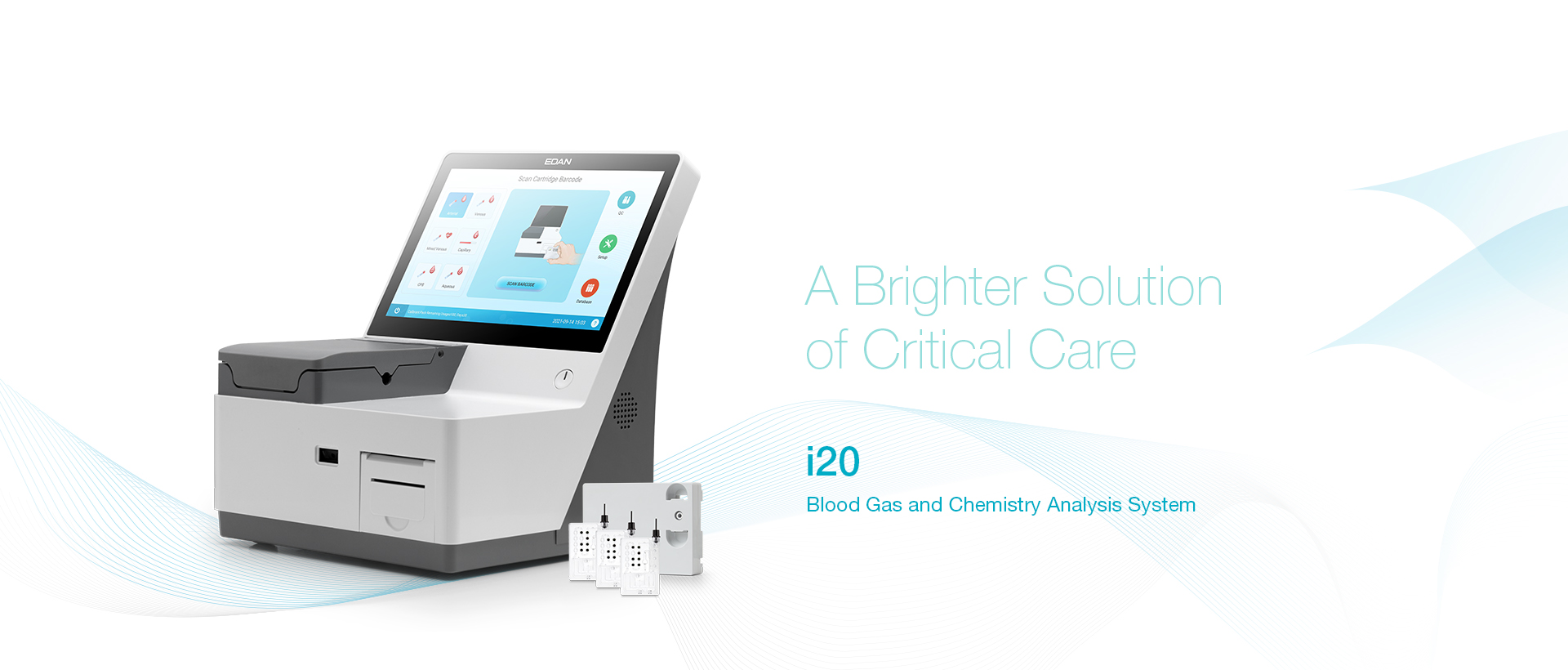
In the world of athletic training and performance optimization, access to fast and accurate physiological data is essential. POCT blood test tools are increasingly used beyond clinical settings, providing insights that support performance decisions. Among these tools, devices such as the blood gas analyser from EDAN offer a comprehensive snapshot of an athlete’s metabolic state, especially when it comes to tracking lactate levels during and after intense exercise.
Understanding Lactate and Performance
Lactate is a by-product of anaerobic metabolism and serves as a key marker in endurance and interval training. When exercise intensity increases, the body produces lactate faster than it can clear it, and elevated levels can indicate approaching fatigue. By monitoring lactate in real time, coaches and athletes gain valuable data about the athlete’s threshold and recovery process. Traditionally, this kind of information could only be obtained in labs, but POCT blood test solutions now make it feasible on the training field.
The Role of a Blood Gas Analyser in Sports
A blood gas analyser such as the EDAN i20 Blood-Gas Analyzer offers rapid analysis of key blood parameters like pH, oxygen and carbon dioxide levels, and crucially, lactate. These metrics can help determine when an athlete transitions from predominantly aerobic to anaerobic energy systems. With results often available in about a minute and requiring only a small blood sample, such devices enable immediate feedback for trainers and sports scientists.
Point-of-care systems reduce delays associated with sending samples to central labs, making it possible to correlate training intensity with physiological responses on the spot. That immediacy is particularly beneficial during interval workouts, where adjustments can be made between sets to fine-tune performance and prevent overtraining.
Integrating POCT in Training Routines
Implementing POCT blood test strategies involves establishing baseline lactate values during controlled workloads, then using those benchmarks to set personalized thresholds for future sessions. This approach supports structured progression and recovery planning, helping athletes target specific energy system adaptations with confidence.
Conclusion
Real-time lactate monitoring through a blood gas analyser bridges the gap between clinical diagnostics and athletic performance. Solutions from EDAN make these insights practical on the training ground, empowering athletes and coaches with objective data that complements traditional performance metrics. Accurate, timely blood analysis expands the toolkit available for optimizing training intensity, pacing strategies, and recovery protocols in competitive sports.
