
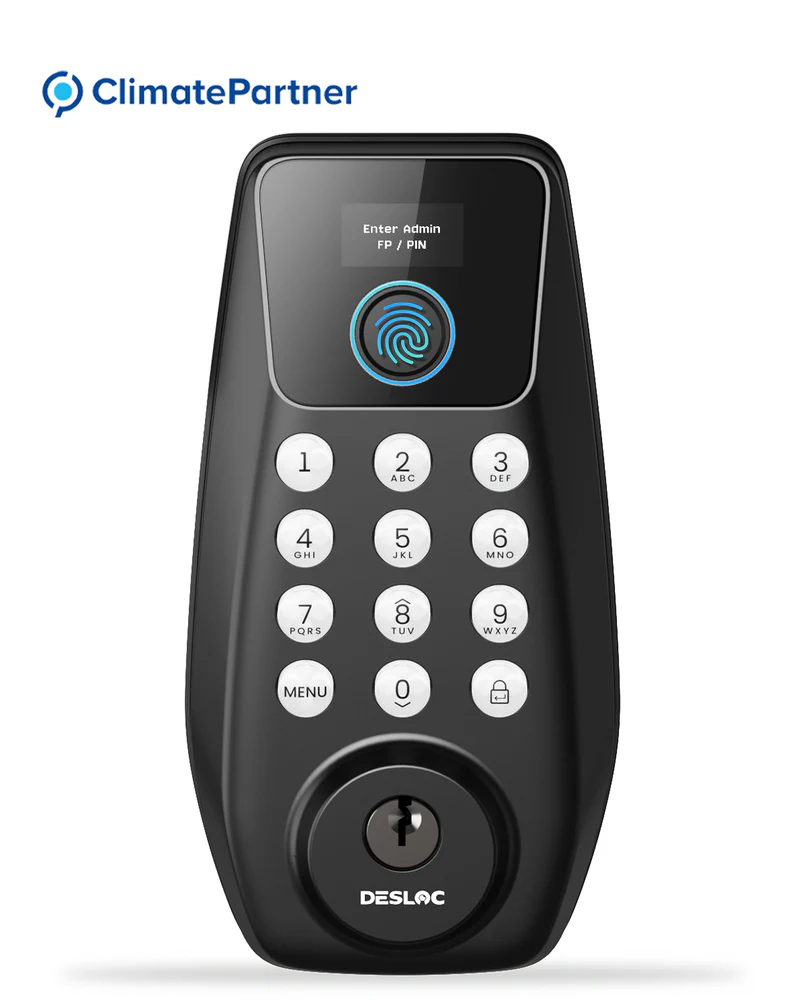
In an increasingly technology-driven world, the integration of smart home devices has gained significant attention, particularly in the realm of security. Among these advancements, modern smart deadbolt locks are standing out for their ability to enhance sustainability alongside providing superior protection. One notable brand in this field is DESLOC, whose C110 Fingerprint Smart Lock exemplifies how innovation can meet eco-conscious needs.
The Intersection of Technology and Environmental Responsibility
Modern smart deadbolt locks, such as the DESLOC C110 Fingerprint Smart Lock, offer several features that contribute to a more sustainable home environment. First and foremost, these locks are designed to reduce energy waste. The C110 Fingerprint Smart Lock model employs a PowerMax system that extends its battery life up to 12 months. This longevity not only minimizes the frequency of battery replacements—thereby reducing the waste associated with disposable batteries—but also ensures that households engage less often with traditional power sources. By relying on long-lasting power systems, users inherently support a reduced carbon footprint.
Additionally, the low-battery indicator and Type-C emergency power port featured in many modern smart deadbolt locks enhance user confidence and convenience. A smart lock that notifies users of a decreasing battery level prevents situations often leading to wasted resources and energy. Users can proactively maintain their locks, ensuring that they never face lockouts, which can lead to unnecessary hassles—and consequently, energy expenditure—related to seeking alternative entry solutions.
Reducing Resource Consumption Through Smart Design
Another significant aspect of the best smart deadbolt lock is their efficiency in resource consumption. The DESLOC C110 Fingerprint Smart Lock, for example, emphasizes advanced technology like fingerprint recognition, reducing reliance on traditional keys that often get lost or misplaced. This smart technology means fewer physical materials are consumed over the lock’s lifetime, aligning with sustainable practices.
Conclusion
In conclusion, the evolution of security measures through the introduction of modern smart deadbolt locks, particularly models like the DESLOC C110 Fingerprint Smart Lock, illustrates a significant step toward sustainability in home security. As consumers become more aware of environmental impacts, options like these promote not only enhanced security but also responsible resource consumption. The trend towards integrating technology with ecological mindfulness highlights a pivotal shift in how individuals safeguard their homes while also caring for the planet—truly a win for both security and sustainability.
